
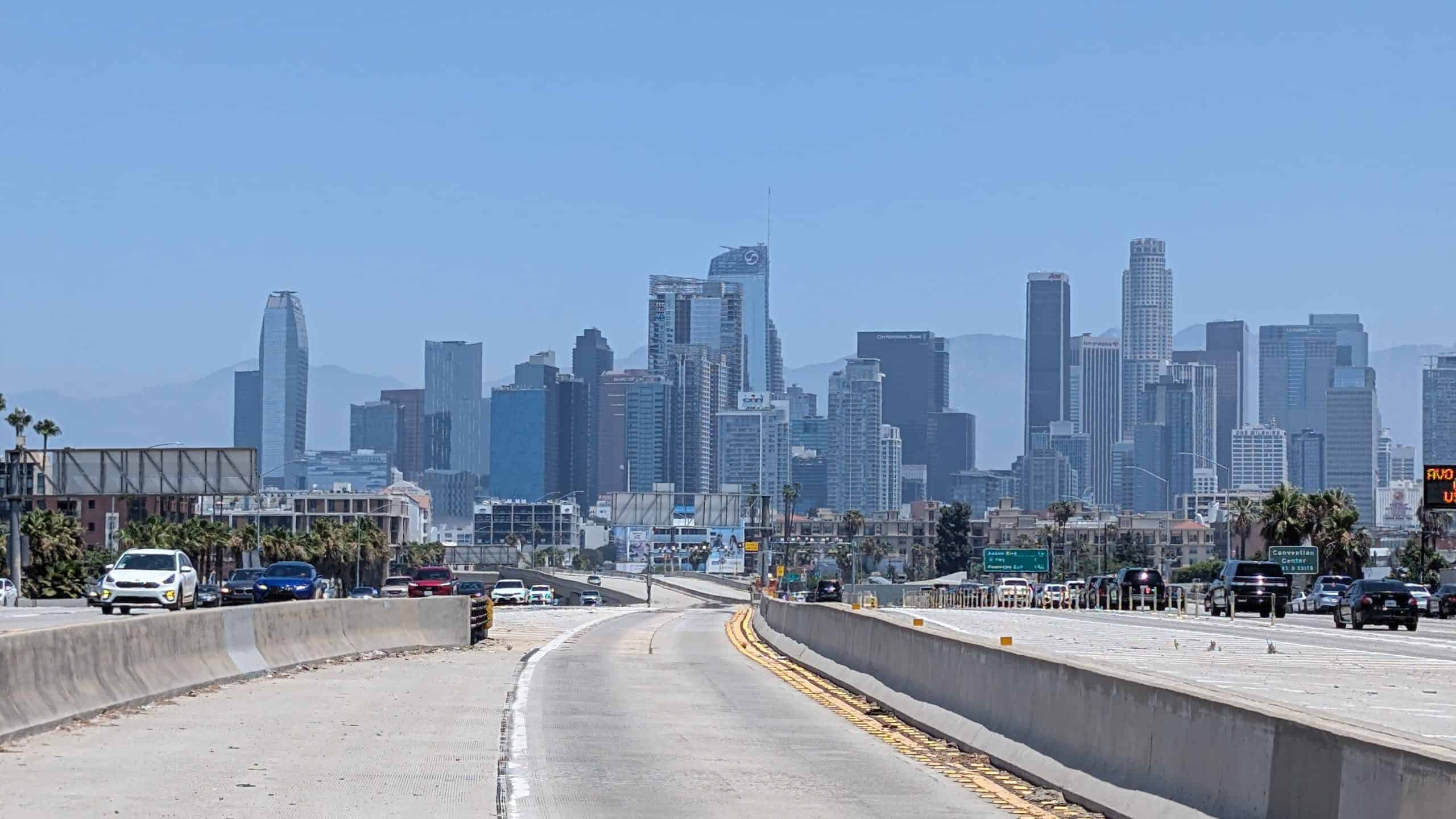
Driving is simply part of life in Los Angeles!
Anyone driving in Los Angeles for the first time quickly realizes that this city operates a little differently. Actually, more than a little differently from Germany. LA has a rhythm all its own, and that makes driving here exhausting, fascinating, and eventually even surprisingly relaxing.
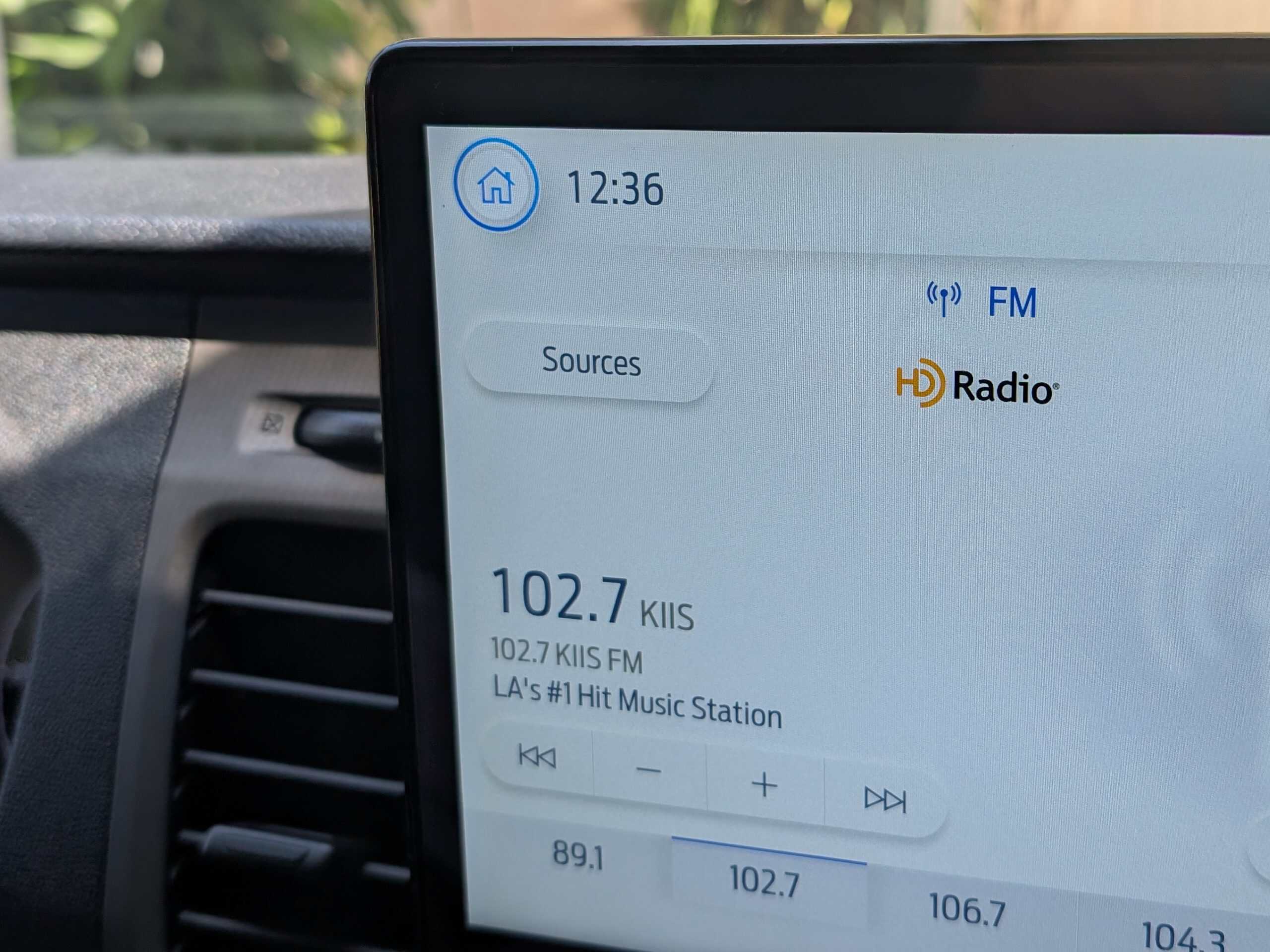
You don’t really understand until you’re here that driving in LA is about much more than getting from A to B. It’s part of the whole experience. You get in the car, turn on 102.7 KIIS-FM, cruise past palm trees, and perhaps end up stuck in traffic. Somehow, it still feels like California. Even the radio hosts sound as though life is pretty laid-back.
European visitors, especially those from Germany, often arrive feeling a little intimidated. We’ve all seen the enormous freeways, endless traffic jams, and packed roads. And yes, at first it really can look that way. Six lanes in each direction, complicated intersections, cars everywhere, and your navigation system calling out instructions every few seconds can make driving a rental car pretty stressful.
But before long, you may notice something surprising: despite all that traffic, driving in Los Angeles can feel more relaxed than driving in many German cities. In my experience, there’s less tailgating, less honking, and less of that territorial attitude you sometimes encounter on German roads.
Instead, a lot comes down to paying attention, reacting to what others are doing, and going with the flow. That takes some getting used to. If you approach every LA intersection with the precision of a German driving examiner, you’ll probably make life harder for yourself than it needs to be. Of course, that doesn’t mean ignoring the rules!
Why Driving in California Feels Different
One difference starts with driver training. In Germany, getting a license can feel like completing half a university degree. In California, the process is generally more straightforward.
That doesn’t mean Californians are bad drivers. But to me, driving here sometimes feels less rigid and precise than it does in Germany. At the same time, I often find drivers more defensive and less aggressive. Somehow, the apparent chaos works surprisingly well.
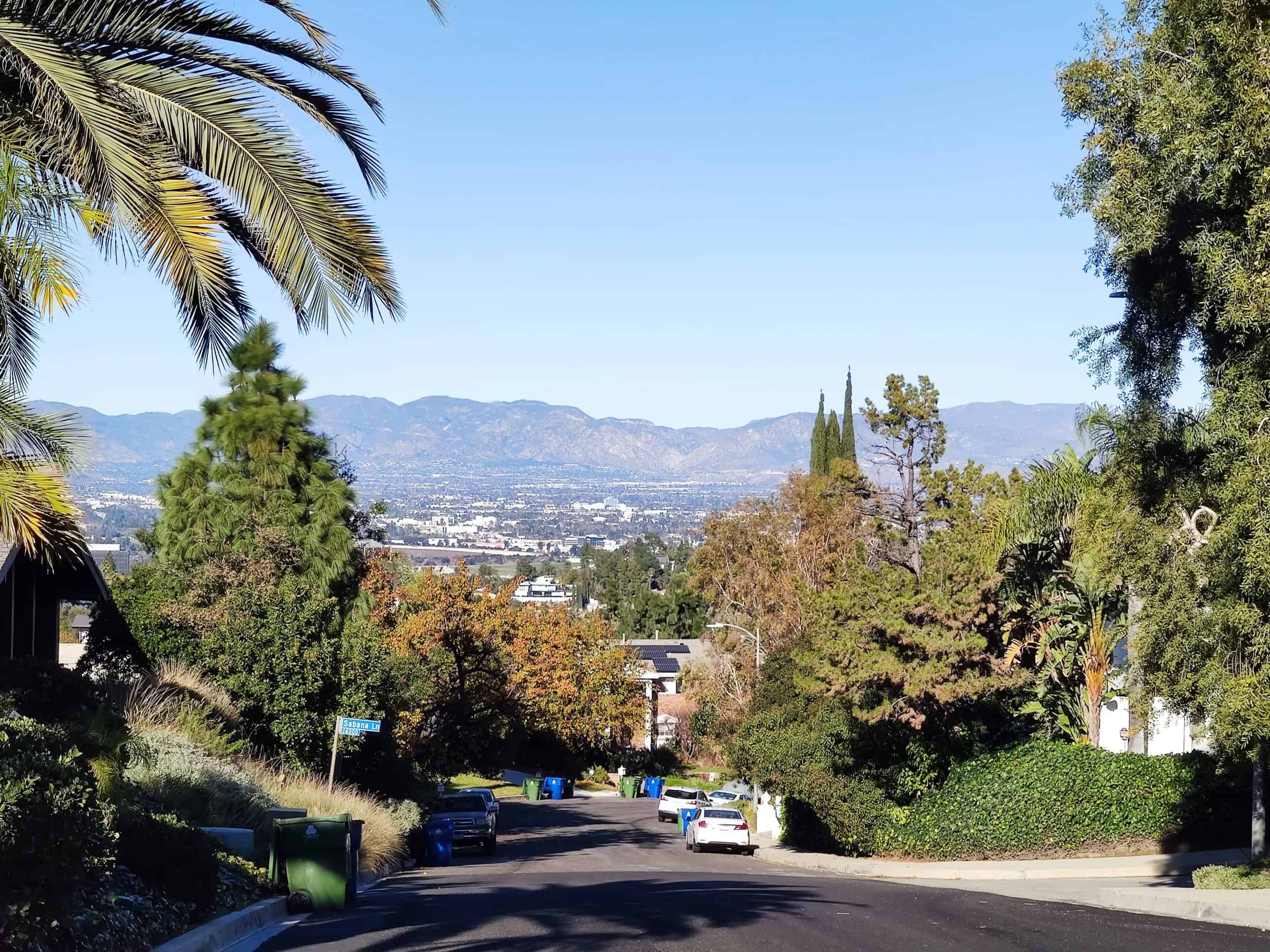
My most important tip is simple: stay calm, pay attention, and don’t analyze every situation as though you’re taking a German driving test.
Speed is another big difference. Compared with Germany, freeway speed limits in California are generally lower. On many freeways, the posted limit is 65 mph (about 105 km/h), though limits vary by road. That can make traffic feel calmer than on Germany’s Autobahns, even when the roads are much busier.
Pedestrians, School Buses, and Flashing Traffic Lights
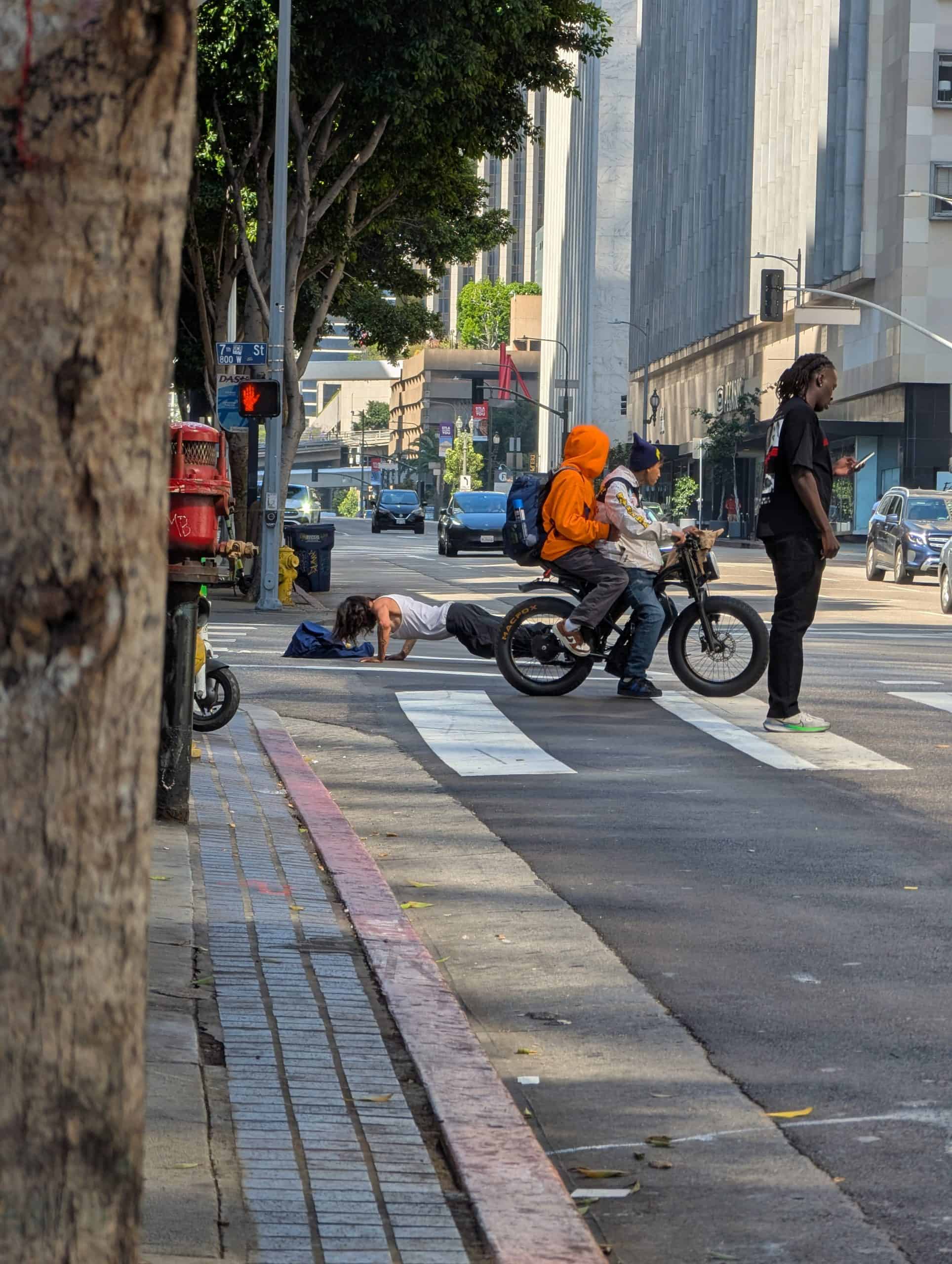
One of the most noticeable differences involves pedestrians. In California, drivers must yield to people crossing at marked and unmarked crosswalks. Pedestrians often expect cars to stop, so it’s especially important to watch carefully when approaching an intersection.
Drivers also tend to give pedestrians plenty of space. In Germany, you might see a driver start moving again as soon as someone has passed directly in front of the car. Here, I usually see drivers wait longer to make sure everyone can cross safely.
Another thing many European drivers aren’t prepared for is the famous yellow school bus. When a school bus stops with its red lights flashing, drivers generally must come to a complete stop and stay stopped until the lights stop flashing. This usually applies in both directions, but California has an important exception for opposing traffic on divided roads or roads with two or more lanes in each direction. Never assume you can simply drive past a stopped school bus.
Violations are taken seriously and can be extremely expensive.
Flashing traffic signals are another difference worth knowing. A flashing yellow light generally means slow down and proceed carefully. A flashing red light works like a stop sign: come to a complete stop, then continue when it’s safe.
Turning Right on Red and Four-Way Stops
For many European visitors, turning right at a red light is a minor culture shock. The first time, it feels completely wrong. Cars are waiting behind you, the light is red, and yet everyone seems perfectly comfortable making a right turn.
In California, you can generally do so after coming to a complete stop and yielding to pedestrians and other traffic, unless a sign says ‘No Turn on Red.’ One important distinction: a red arrow means you must wait for the light to change. After a few days, the regular right-on-red rule starts to feel almost natural.
The famous four-way stops can seem just as confusing at first. Four cars pull up to an intersection and, for a moment, it looks as though nobody knows who should go next. The first vehicle to come to a complete stop goes first. If two vehicles arrive at the same time from crossing streets, yield to the vehicle on your right. When turning left, yield to oncoming vehicles going straight or turning right.
There are actual right-of-way rules, including giving priority to the vehicle that arrived first. When cars arrive together, drivers must follow the applicable yielding rules. In practice, a little eye contact, clear signals, and consideration for others help things run remarkably smoothly.
Freeways – Huge, Chaotic, and Surprisingly Relaxed
The freeways are where things get really interesting. Many German drivers expect something even more aggressive than the Autobahn back home.
But to me, driving in Los Angeles often feels more like joining a huge, constantly moving stream. Cars change lanes, people merge at the last minute, and sometimes somebody realizes their exit is coming up just a little too late.
Some entrance ramps are especially surprising because they’re so short. If you’re used to German highways, that first merge can make your heart race. Sometimes you have only a few seconds to find your gap.
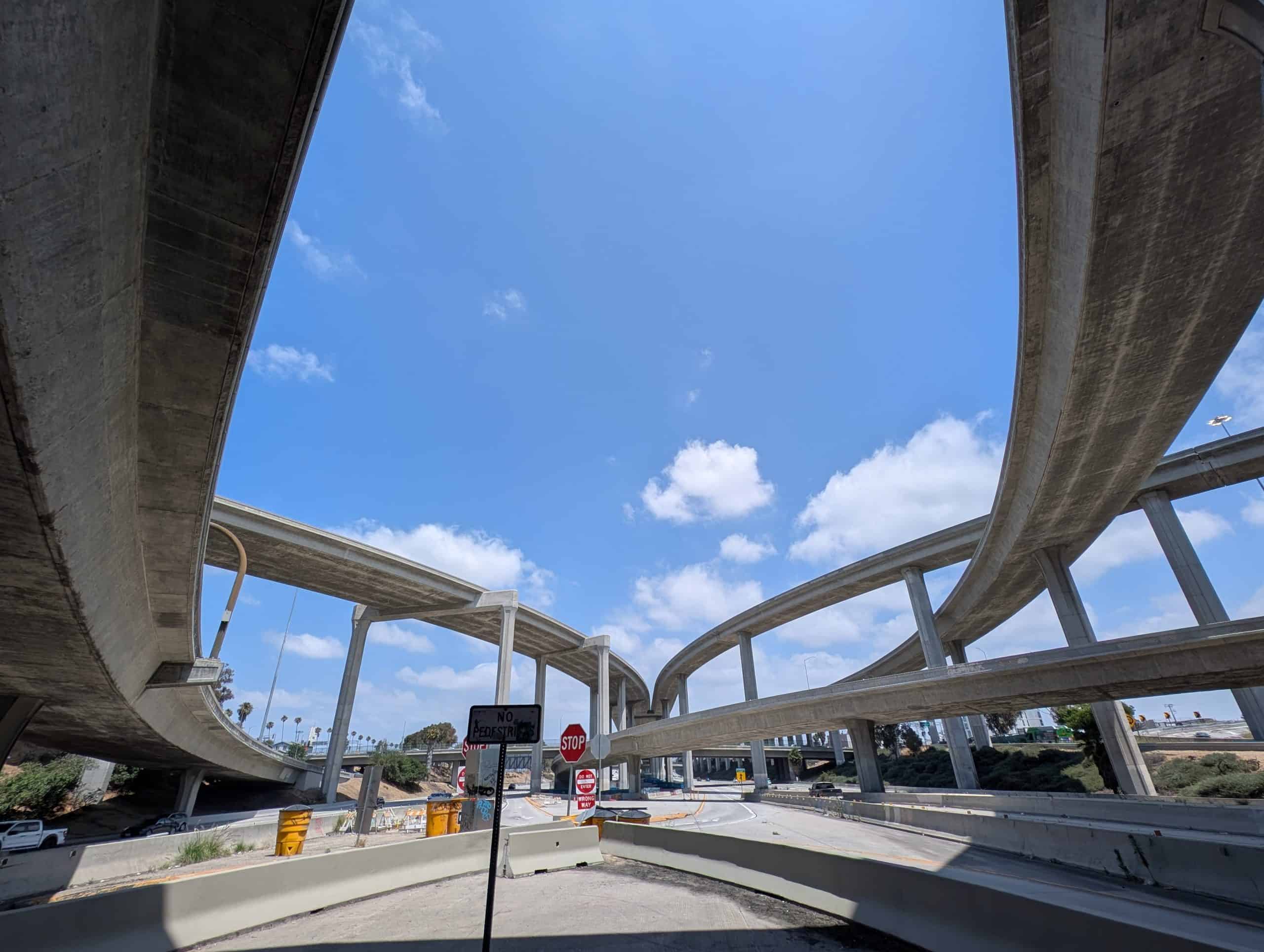
And yet, more often than not, it works out because other drivers make space or move over when they safely can.
Another classic LA feature is the HOV or carpool lane, usually on the far left. These lanes are reserved for vehicles that meet the posted occupancy or other eligibility requirements, and they can be considerably faster during rush hour.
On some freeways, you’ll also find FasTrak or ExpressLanes. These use electronic toll collection, and the rules can differ from ordinary carpool lanes. For visitors with rental cars, taking one without understanding the requirements can lead to unexpected charges.
Because these lanes can look similar, always read the signs and lane markings. In particular, don’t cross double solid white lines to enter or leave a restricted lane. Otherwise, that surprise on your credit card statement might arrive faster than you’d like.
The Real Adventure – Parking in Los Angeles
And then there’s parking. I have to admit, finding a legal parking spot in Los Angeles can sometimes be more complicated than driving here in the first place.
Parking signs can read like miniature legal puzzles. Street cleaning, permit parking, hours, weekdays, and holiday restrictions all seem to be squeezed onto the same post.
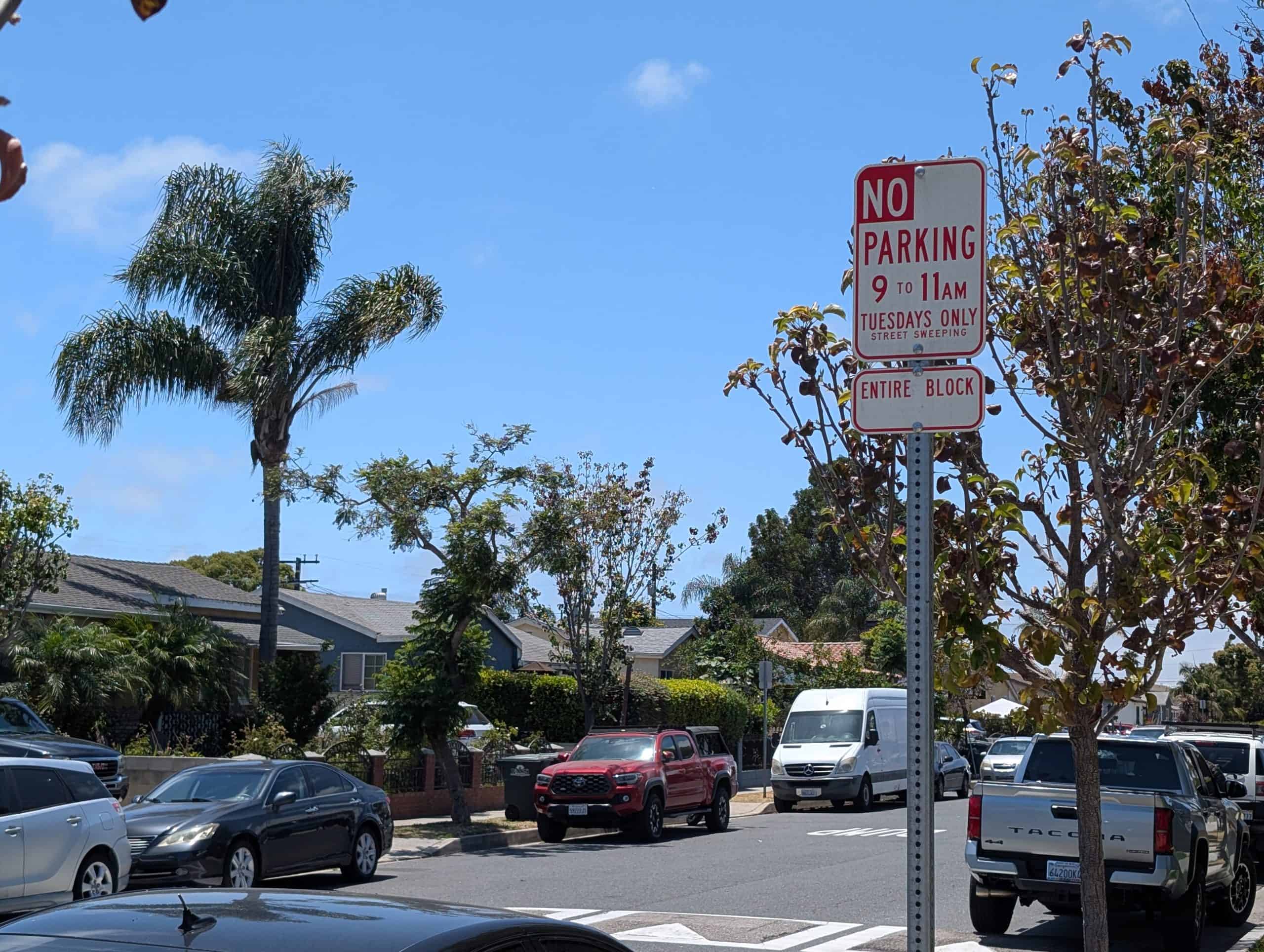
Eventually, you learn a few useful LA tricks. Parking right on a major street can be expensive or difficult, but one or two blocks into a residential neighborhood, you can sometimes find free street parking. Just make sure you’re allowed to park there.
One thing you really should take seriously is street cleaning. Plenty of people, including the author of this article, have looked at a sign and thought, ‘Surely nobody is checking today.’
Here’s the problem: when street cleaning time comes around, most people move their cars. That leaves only a handful parked on the street, and those are often exactly the ones that get tickets.
Depending on the city, that can easily cost $70 or more. And believe me, there are much better ways to spend that money in Los Angeles.
In Los Angeles, Think in Minutes, Not Miles
Something else you learn quickly in LA: when you’re planning a drive, distance matters much less than travel time.
In Germany, people tend to ask, ‘How far is it?’ In Los Angeles, the question is usually, ‘How long will it take?’
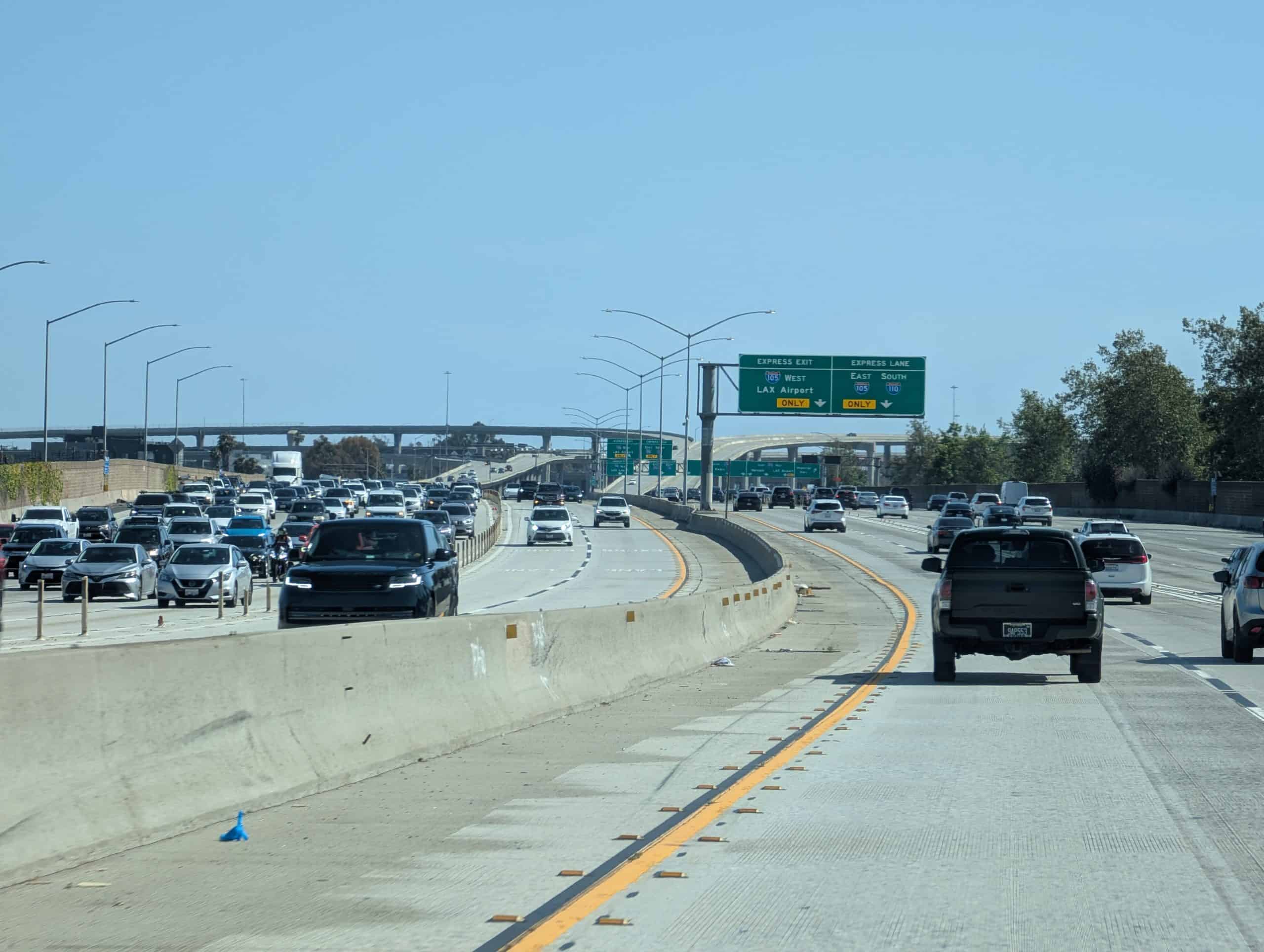
The exact same drive might take 20 minutes in the morning and an hour and a half later in the day.
Here’s another fun detail: locals have their own way of talking about freeways. Instead of saying ‘Interstate 5’ or ‘Highway 101,’ they say ‘the 5,’ ‘the 101,’ or ‘the 405.’ It’s a pretty good clue that somebody knows Southern California.
And Eventually, Driving in Los Angeles Becomes Fun
And then something interesting happens: one day, you suddenly realize you feel comfortable on these roads.
Maybe you’re driving along the 110 toward Downtown and the skyline slowly appears ahead of you. Maybe you catch a glimpse of the Hollywood Sign between the hills from the 101. Or you’re heading west on the 10 toward Santa Monica and suddenly the Pacific comes into view.
Those are the moments when Los Angeles stops feeling like an enormous, unfamiliar city and starts feeling like a little adventure on four wheels.
Driving in Los Angeles can seem chaotic at first. But once you understand its quirks, you begin to see the system behind the apparent madness.
Yes, the traffic can be exhausting. Yes, you’ll probably end up in the wrong lane or miss an exit at some point. But somehow, that’s part of the experience too.
In LA, driving doesn’t always feel like a simple way of getting around. Sometimes, it feels like a road trip hidden inside an ordinary day. And after a few days, many visitors discover they’re no longer nearly as nervous behind the wheel.
Los Angeles has its own rhythm. Once you settle into it and keep a few of my tips in mind, driving here can actually become a lot of fun.
The best way to understand Los Angeles is to experience it! Discover the city’s highlights on my Best of Los Angeles Tour, or create a day that’s entirely your own with the Los Angeles Private Tour.
